 (Image via
Meal times often become a challenge when picky eaters are involved, but this guide, “7 Clever Ways to Make Mealtime Exciting for Picky Eaters,” offers creative solutions to bring enthusiasm back to the dinner table. With easy-to-understand advice and examples grounded in research, this resource helps busy caregivers introduce new foods and fun experiences during meals. Each suggestion comes with practical steps, making it simple to add variety and enjoyment to your family’s routine. By following these ideas, you can inspire curiosity and turn everyday dinners into moments everyone looks forward to, starting as soon as your next meal.
Make Plates with Bright Colors
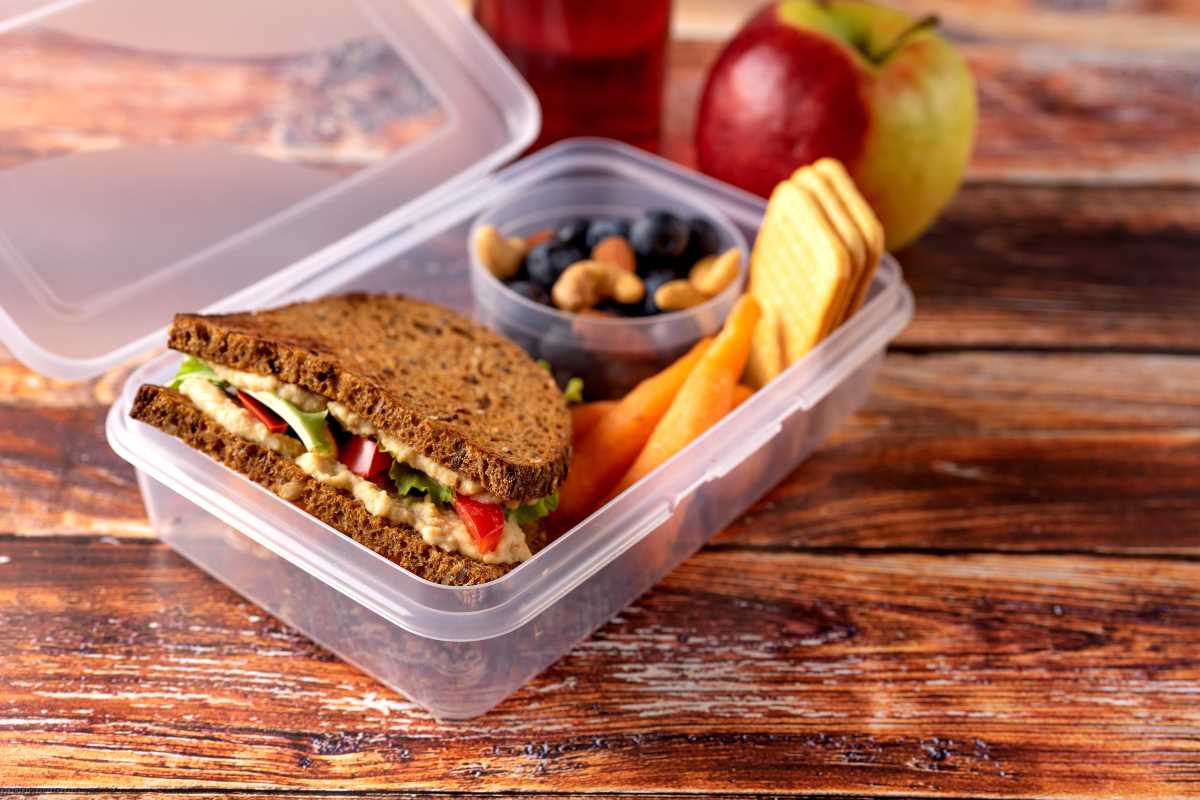
Visual appeal helps curious eaters explore new foods. Fill half the plate with bright vegetables, like roasted red peppers alongside crisp green beans. When dishes look fun, taste tests become games. One trick involves arranging items in rainbow order—tomatoes, carrots, squash, broccoli, blueberries—so each bite feels like a mini victory.
Try flavor contrasts as well. Place a dollop of sweet mango salsa next to savory turkey strips or drizzle plain yogurt with honey beside crunchy granola. The color and texture mix encourages hands-on sampling. Over time, even those who resist new ingredients grow used to vibrant combinations that deliver fresh tastes.
Let Kids Help in the Kitchen
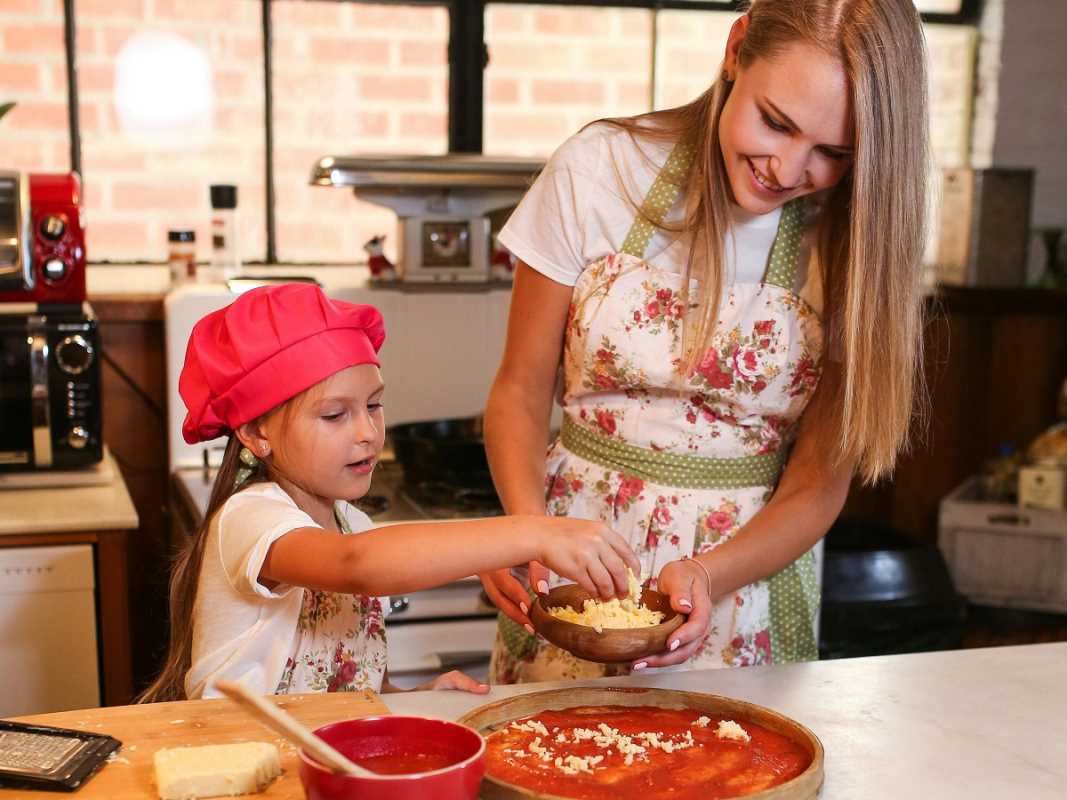
Giving little helpers a role invites excitement and ownership. Keep tasks simple so they feel confident.
- Let them wash fruits and veggies in a colander under cold water, turning chores into splashes of fun.
- Hand them a kid-safe knife or a butter knife to chop soft items like bananas or mushrooms, with supervision nearby.
- Invite them to sprinkle seasonings—paprika, cinnamon, or a pinch of garlic powder—before you mix everything in a bowl.
When youngsters participate, they learn kitchen skills and feel proud of the final dish. Encourage them to pick one new ingredient each week, explore its aroma, and decide how to cook it. This new connection often leads to a willingness to taste what they helped create.
Incorporate Nutrition in Meals
Boost each meal with nutrient-rich add-ins that hide into familiar flavors.
- Puree steamed cauliflower into macaroni and cheese to add fiber without changing the creamy texture.
- Stir mashed avocado into pancake batter for heart-healthy fats and a smooth mouthfeel.
- Mix finely grated zucchini into meatball or burger recipes to add moisture and subtle green notes.
- Blend spinach with fruit in a smoothie—brighten it with frozen berries and a dash of cinnamon.
These tweaks hide vegetables in comfort foods, making each forkful a win for both taste and nutrition. Over several meals, you’ll notice more open minds and fuller bellies.
Use Fun Shapes and Themes
Play with silhouettes and storylines to fire up imaginations. Cookie cutters turn sandwiches into stars, dinos, or hearts. You can shape rice into fluffy clouds or use melon baller scoops to create fruit “popcorn.” The unexpected shape breaks routine and invites photos for a family album.
Themed dinners add even more energy. Host a “Pirate Feast” with skewers of grilled chicken and pineapple, served on a wooden board. Or stage a “Space Lab,” blending electric-blue fruit punch and glow-in-the-dark yogurt cups made with tonic water under a blacklight. These playful moments encourage sampling and laughter, making each bite memorable.
Set Routines and Rewards
Consistent mealtime patterns reduce resistance. Sit down at the table regularly, ideally within the same half-hour window each evening. Predictability helps children know what to expect, easing mealtime stress. After a few weeks, they’ll settle into the pattern and stay curious about what comes next.
Pair this routine with simple celebrations. When someone tastes a new vegetable or tries a bite of fish, celebrate with high-fives or a small sticker chart. Offer bonus privileges, like choosing the family playlist or drawing weather symbols on a chalkboard. These small prizes motivate and remind everyone that exploring new foods earns applause rather than pressure.
Use playful presentation and consistent routines to help hesitant eaters become food explorers. Try these tips, and celebrate each new discovery with smiles.