 (Image via
Preparing meals that delight everyone at the table brings a sense of joy and accomplishment to the kitchen. When you consider various dietary restrictions, planning actually opens the door to discovering new ingredients and creating vibrant flavors. You can craft dishes that showcase seasonal produce, cater to wheat-free or dairy-free preferences, and still deliver satisfying, visually appealing results. This guide walks you through practical steps, such as organizing allergen-safe areas and prepping versatile staples in advance, so you can make quick, delicious dinners even on the busiest nights. Cooking for different needs becomes a creative and rewarding experience with the right approach.
What Are Common Food Allergens
Recognizing top triggers helps you avoid surprises at mealtime. By knowing which ingredients cause reactions, you can find safer replacements and build trust around the table.
- Milk and dairy (including butter and cheese)
- Eggs
- Tree nuts (almonds, walnuts, cashews)
- Peanuts
- Soy
- Wheat (gluten-containing grains)
- Fish and shellfish
Beyond these, seeds like sesame and ingredients in processed sauces sometimes slip under the radar. Always scan labels for hidden wheat-based thickeners or nut oils. Once you list the specific items to avoid, you can adapt every recipe.
Plan Your Meals
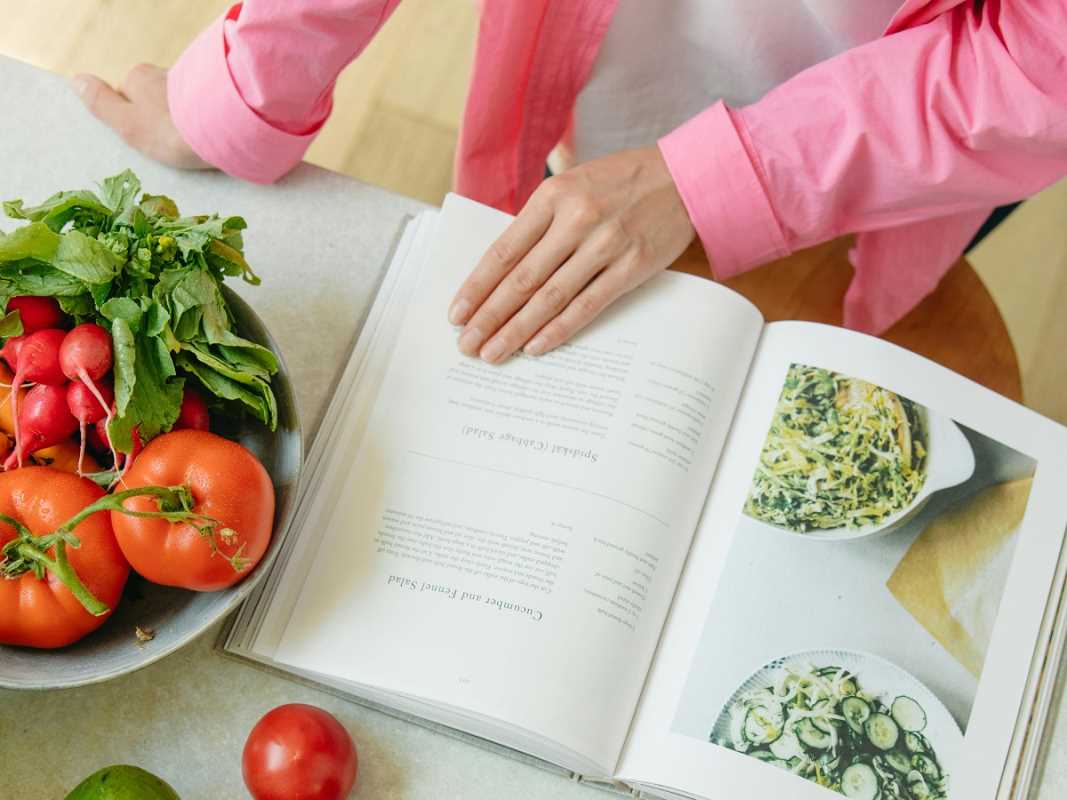
Creating a weekly plan prevents last-minute stress. Start by listing safe proteins, grains, fruits, and vegetables, then assign them to dinners, lunches, and snacks. Free online templates serve as quick guides, or you can create a personalized checklist in a notebook or spreadsheet.
Follow this simple framework:
- Protein choice (chicken, tofu, beef, legumes)
- Grain or starch (rice, quinoa, gluten-free pasta)
- Two colorful veggies
- Safe fats and condiments
Mark days that require extra preparation—like baking allergy-friendly breads or soaking beans overnight—so grocery shopping remains smooth. Gathering ingredients in one trip reduces forgotten items and helps keep the fridge organized.
Ingredient Substitutions and Swaps
Replacing ingredients opens up many options. For dairy-free meals, use canned coconut milk or Califia Farms almond milk. To replace eggs in baking, blend ground flaxseed with water or mash bananas. These swaps boost nutrition while matching textures and moisture.
When replacing wheat flour, try a 1:1 gluten-free blend or mix brown rice flour with tapioca and potato starch at home. For crunchy coatings, use crushed gluten-free cereal or ground seeds instead of breadcrumbs. These alternatives keep the dish crispy and flavorful.
Safe Preparation and Kitchen Practices
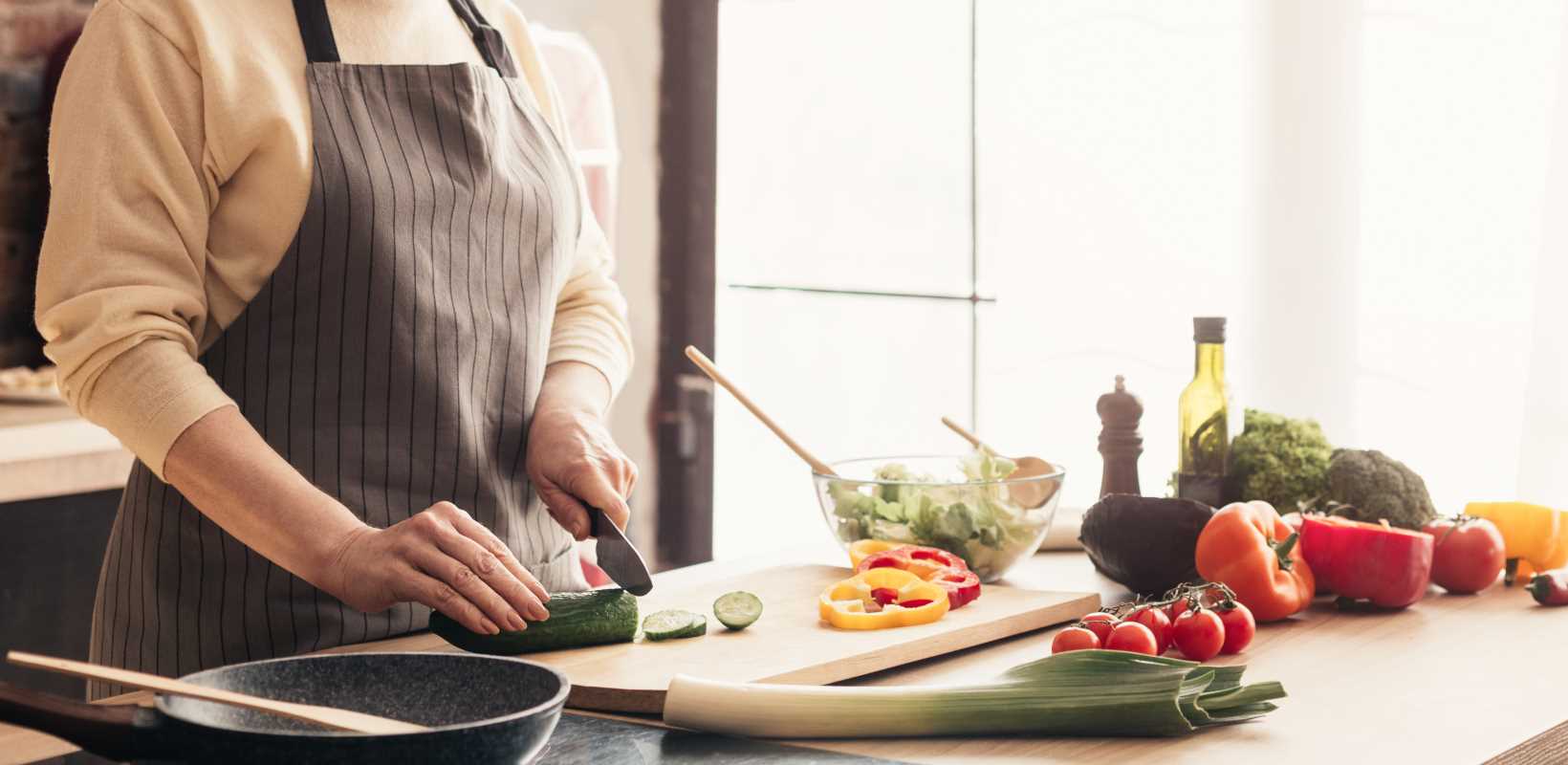
Designate specific tools and surfaces for allergen-free cooking. Label cutting boards and knives with colored tape—green for gluten-free, blue for nut-free, and so on. Store flours and baking mixes in sealed containers to prevent cross-contact.
Follow these steps each time:
- Clean surfaces thoroughly before and after each task.
- Wash utensils in hot, soapy water or run them through a dishwasher.
- Handle one allergen-sensitive dish at a time to keep zones separate.
These small routines create reliable safety checks and boost confidence when multiple needs come into play.
Meal Prep Strategies
Batch cooking solves the dinner crunch and ensures that all needs stay covered. Setting aside just a couple of hours during the weekend can produce ready-to-reheat meals for busy weekdays.
- Roast a big tray of mixed veggies with olive oil and herbs. Portion into microwave-safe containers.
- Cook grains like quinoa or polenta in bulk. Store in zipper bags; squeeze out the air before sealing.
- Simmer chicken or beans in a simple broth. Freeze in small batches for quick protein additions.
- Blend allergy-friendly sauces—tomato-based, tahini dressings, or coconut curry—and freeze in ice cube trays for single servings.
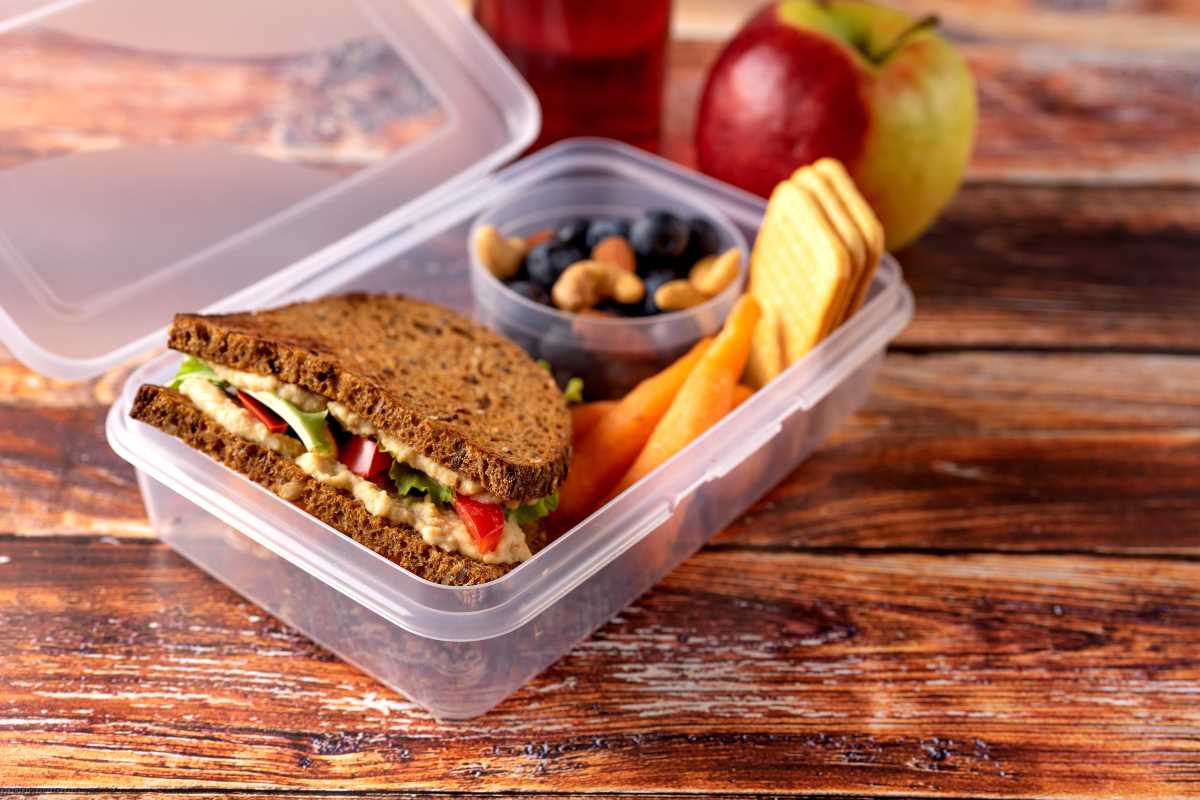
- Pre-chop fruits and veggies for on-the-go snacks: apple slices in lemon water, carrot sticks in sealed tubs.
Following these steps helps you put together well-rounded meals quickly. Mix and match components—grains, proteins, veggies, and sauces—to keep dinner fresh and stress-free.
Troubleshooting and Tips
Occasional slip-ups happen, but quickly changing course saves the day. If someone notices an allergen in a finished dish, keep hypoallergenic crackers or rice cakes on hand with safe spreads. Use yogurt substitutes made from coconut or soy as an instant dip or dessert base.
Here are extra tricks that often help:
- Create custom snack boxes: pair safe crackers, sliced fruit, and a dollop of sunflower seed butter.
- Organize a rotating spice drawer: label each jar and group them by use so you avoid mislabeled blends.
- Invite everyone to try new recipes together—it turns tasting into a game and builds excitement around new flavors.
These quick solutions keep everyone confident and reduce the chance of wasted food or mealtime frustration.
Planning meals that meet various dietary needs is manageable with practice. Keep experimenting with new ingredients and shortcuts to improve your dishes. Start planning your next menu today—your best meal is within reach!