 (Image via
Preparing school lunches can quickly become a manageable and even pleasant part of your morning routine with a few easy adjustments. By focusing on freshness, balanced nutrition, and flavors your kids enjoy, you build lunches that bring smiles and peace of mind. Thoughtful planning helps you avoid the last-minute scramble and ensures every meal feels intentional. This guide offers straightforward tips you can tailor to your family’s preferences and daily rhythm, so making lunches becomes a smooth, stress-free process you can feel good about each day.
We emphasize straightforward planning, efficient prepping, proper storage, playful twists, and food safety. Each step relies on the previous one, helping you save time, reduce waste, and keep meals appealing. Try these ideas to see how a few adjustments can make lunchtime more exciting and ensure meals stay as fresh at 3pm as they were at 7am.
Design Balanced Menus
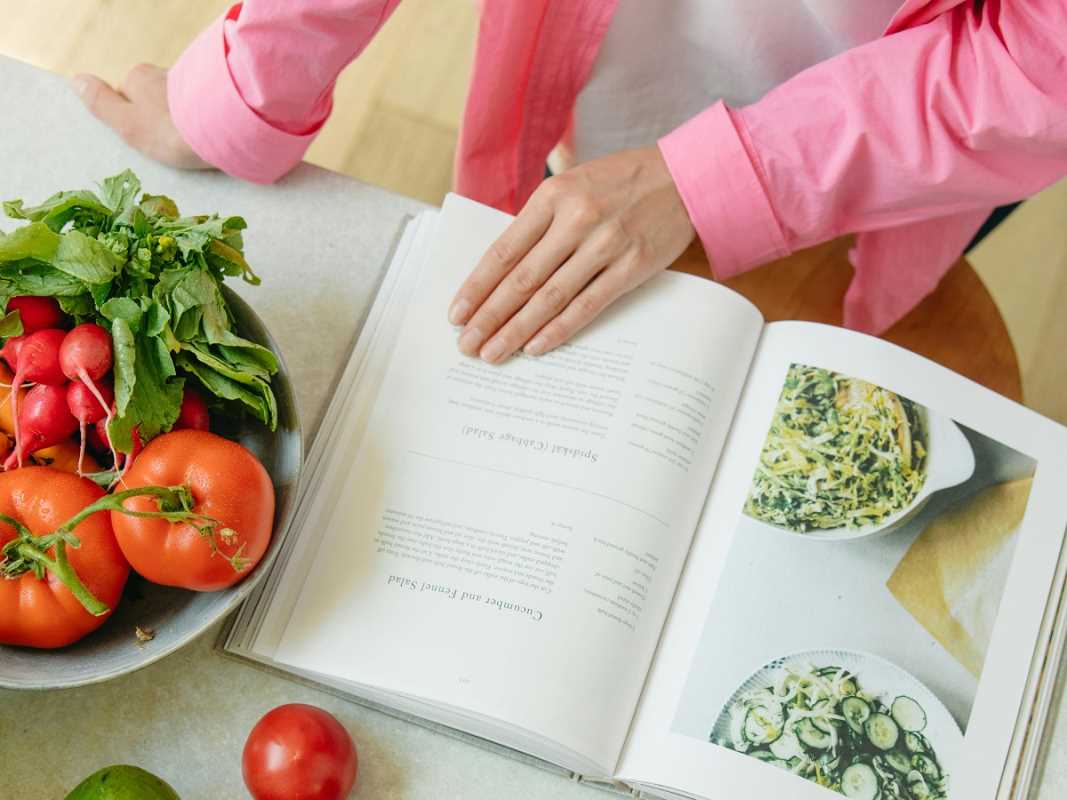
Creating a well-rounded menu sets the foundation for fresh, tasty lunches. Mix flavors, textures, and colors so each box provides a mini-adventure on the palate. Planning menus weekly helps you streamline shopping and avoid last-minute scrambling.
Think about rotating these categories to include protein, carbs, fruits, and vegetables every day:
- Proteins: grilled chicken strips, hard-boiled eggs, beans, or sliced turkey
- Whole Grains: pita pockets, brown rice salad, whole-grain wraps, or quinoa cups
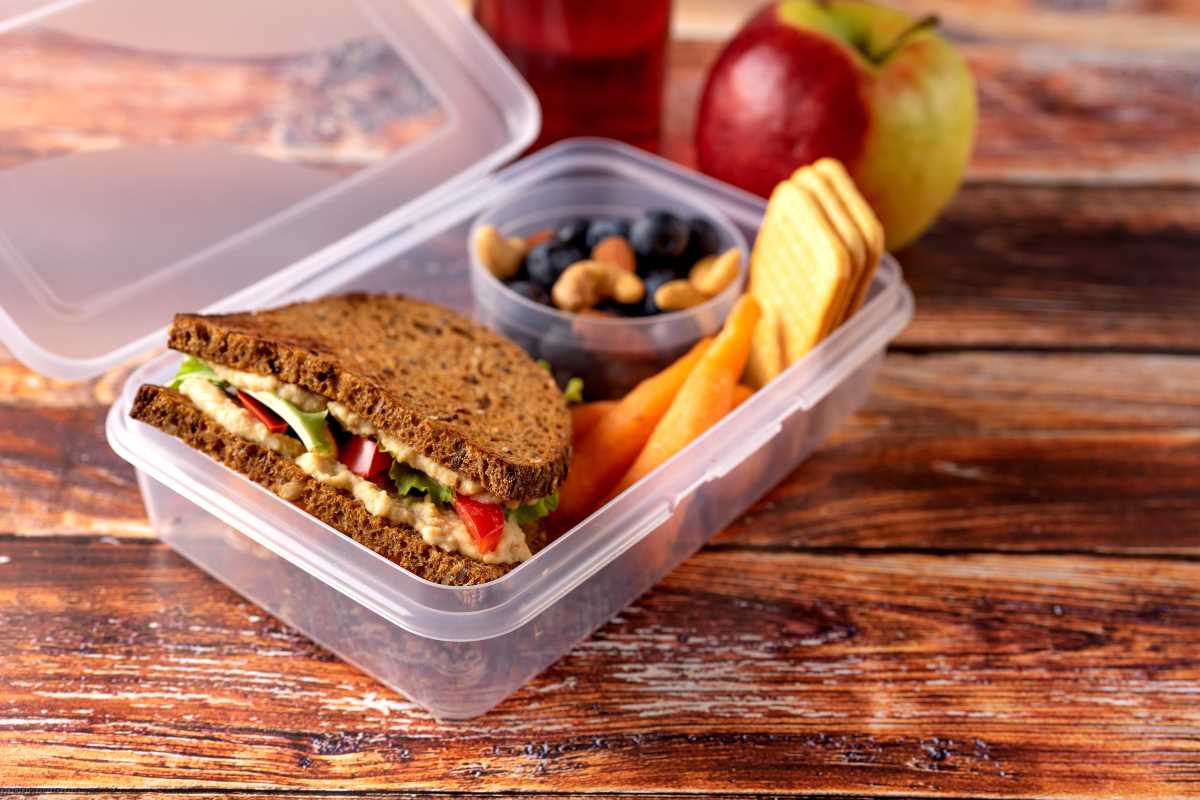
- Fruits & Veggies: carrot sticks, mixed berries, grape tomatoes, or apple slices
- Dips & Sides: hummus, yogurt-based ranch, cottage cheese, or guacamole
- Treat: dark chocolate square, homemade granola bites, or fruit leather
Once you plan these building blocks for a week, your shopping trips become quicker and everyone enjoys a variety of foods daily.
Prepare Components Ahead of Time
Spreading tasks over the weekend saves precious minutes each morning. You’ll feel confident knowing that essential ingredients already await assembly.
Follow these steps to prepare for quick pack-and-go:
- Choose recipes and list ingredients on Friday evening.
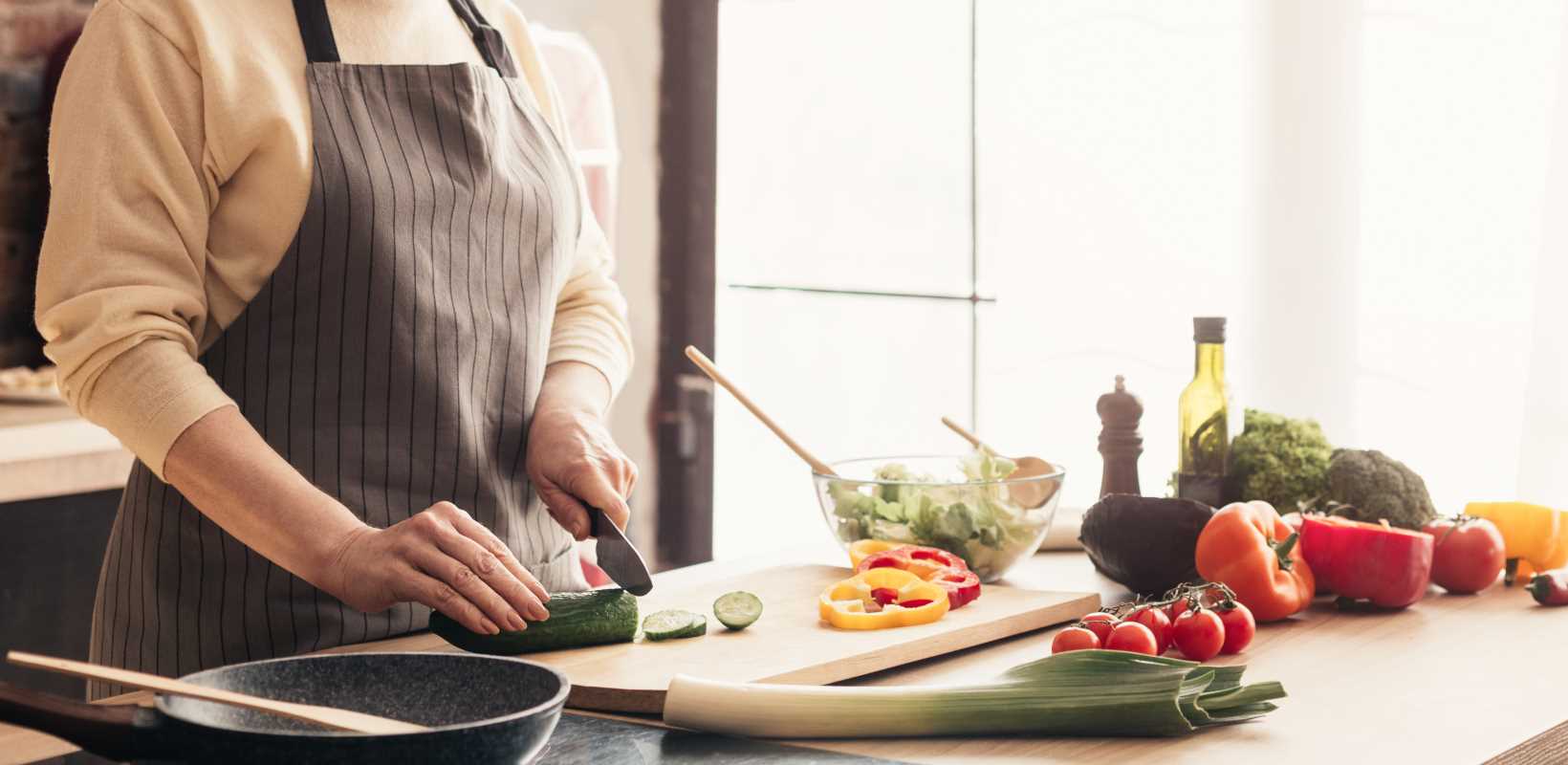
- Wash, chop, and portion vegetables and fruits into small containers.
- Cook proteins in batches—bake chicken strips or boil eggs at the same time.
- Portion grains into individual cups, then cool completely before sealing.
- Label containers with sticky notes or erasable markers for the upcoming week.
By Sunday night, you complete most of the heavy work. On Monday, you only need to combine prepped items, add dressings or dips, and seal lunches with a touch of fresh herbs or citrus slices for a vibrant finish.
Select Proper Storage Options
Choosing the right containers makes a big difference in keeping food fresh and looking good. Look for leakproof, compartmentalized boxes that separate wet ingredients from dry ones. Clear containers help you spot leftovers and rotate ingredients to minimize waste.
Buy a variety of airtight containers: some shallow trays for sandwiches and wraps, and deeper jars for salads and grain bowls. Cold-retaining lunch bags with gel packs keep everything at safe temperatures during the school day. When you see online reviews praising brands like Tupperware or Ziploc, try what works best for your kids’ preferences and lunchroom conditions.
Introduce Fun and Diverse Elements
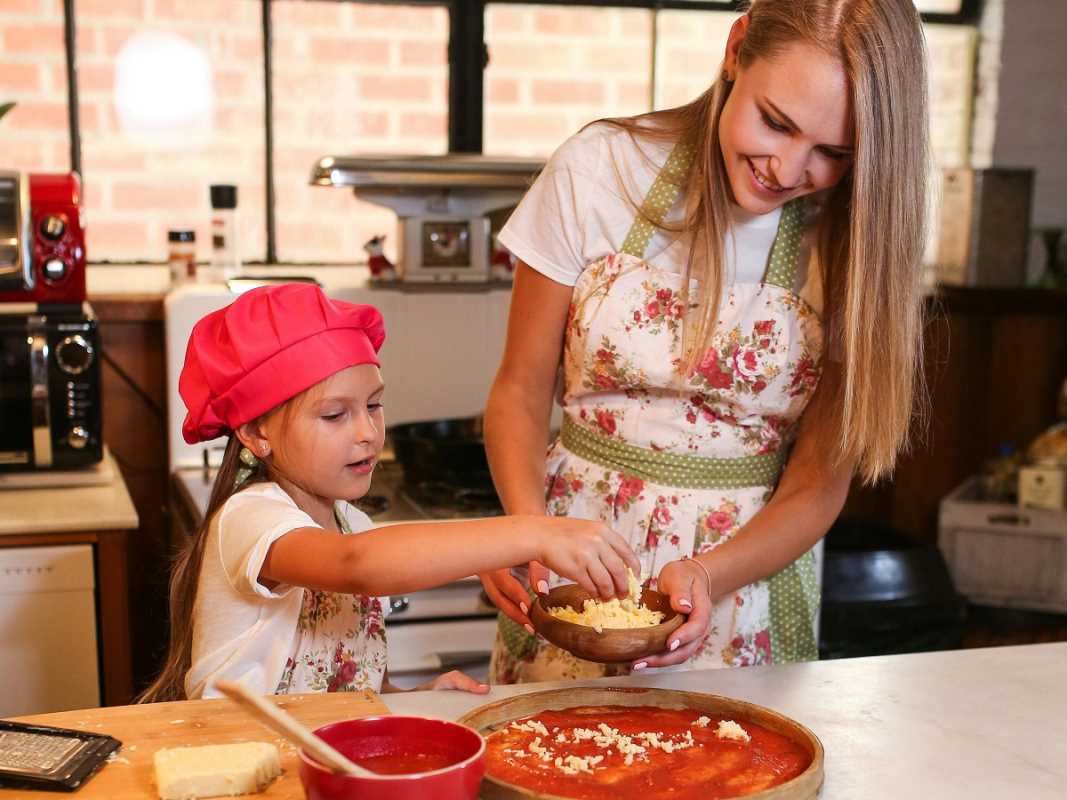
Keeping lunchtime exciting encourages kids to eat packed meals instead of trading unhealthy snacks. Little surprises—such as a rice paper roll instead of bread, zigzag carrot peelers, or themed picks—bring joy. Encourage your child to help pick these fun touches; their involvement boosts enthusiasm.
Create playful shapes with small cookie cutters on cheese slices or fruit. Write short notes or jokes on napkins. Try different ethnic cuisines: a mini falafel and tzatziki one day, sushi rice balls another. With a few creative tweaks, lunches turn into a weekly culinary adventure.
Maintain Food Safety and Freshness
Keeping food at proper conditions prevents spoilage and preserves flavor. Follow these checks each morning:
- Ensure gel packs feel firmer than room temperature before freezing and before packing.
- Check container seals for a tight fit, especially on dressings and sauces.
- Inspect prepped items for moisture buildup; pat dry leafy greens to prevent sogginess.
- Store lunches upright in the fridge so cold air circulates evenly.
- Discard any food that remains beyond safe fridge times—two days for most cut fruits and vegetables.
When you follow these steps, lunches stay crisp and cold through lockers and backpacks, ready for a midday boost.
Combine planning, prep, storage, variety, and safety checks to make fresh, flavorful lunches. As you refine this routine, mornings will be calmer and kids will enjoy their lunches more.