 (Image via
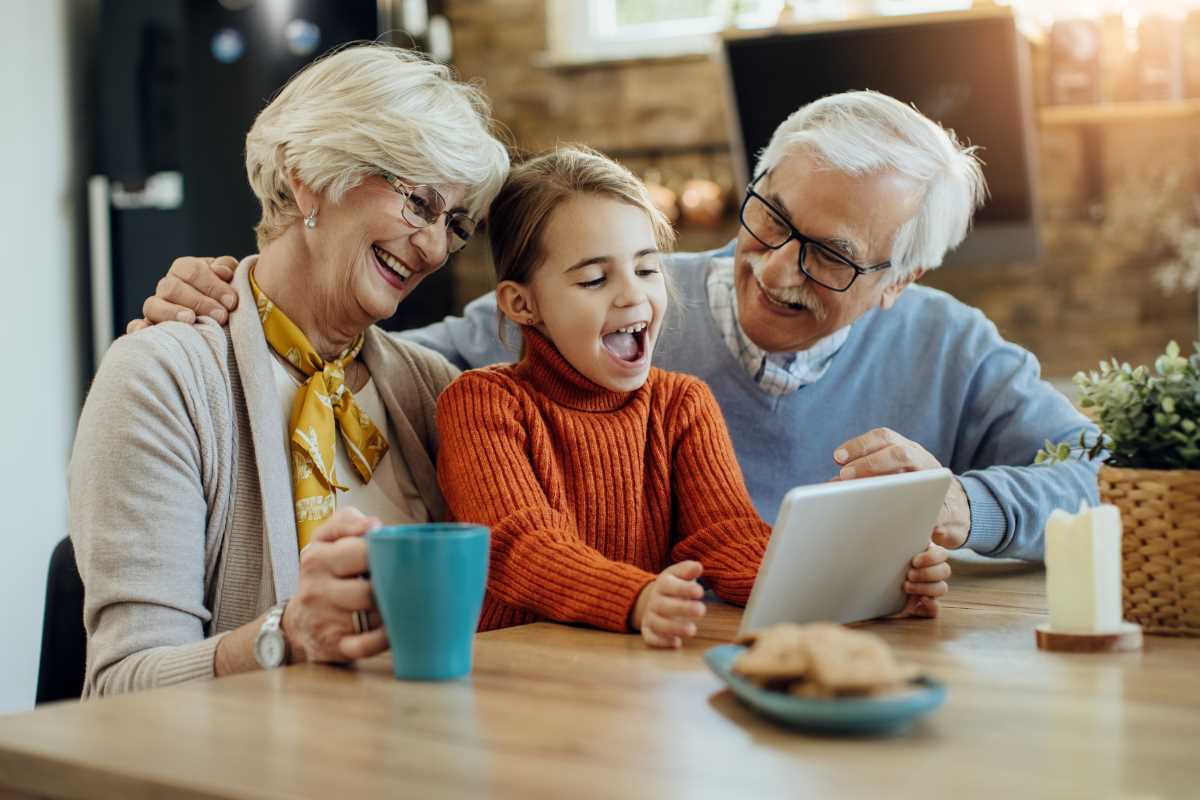
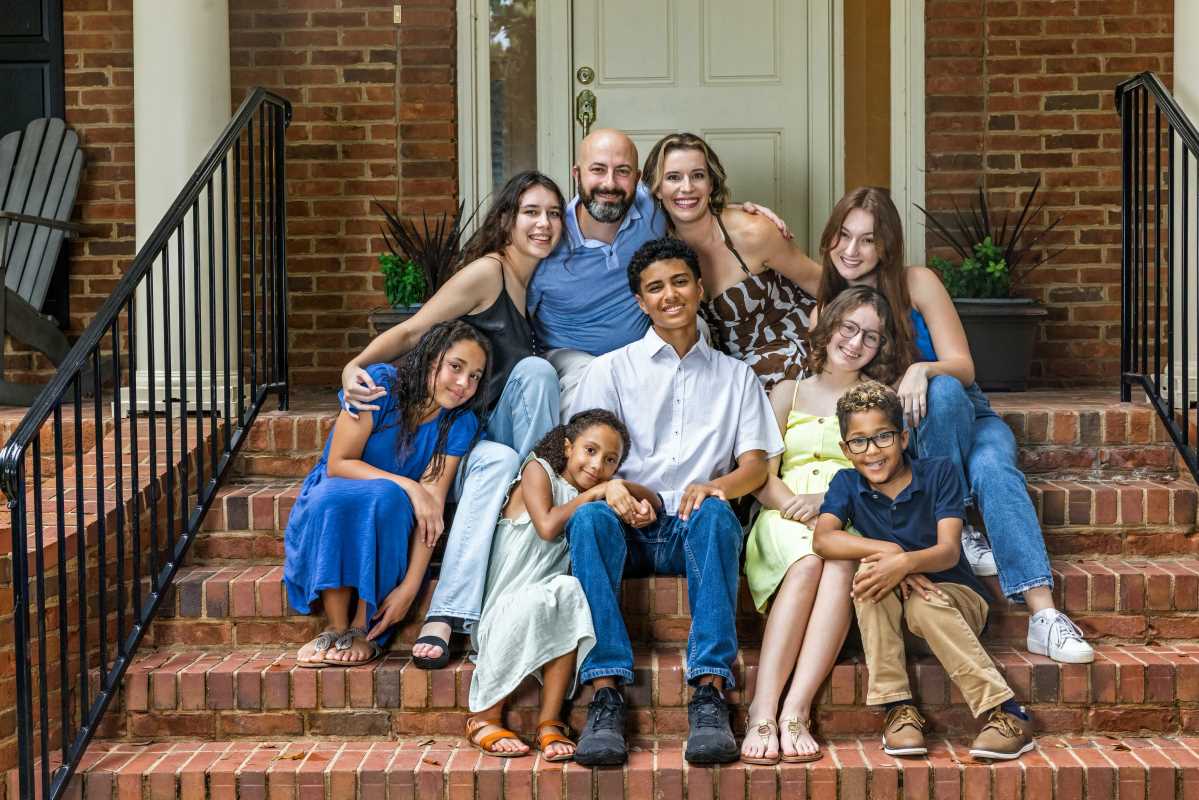
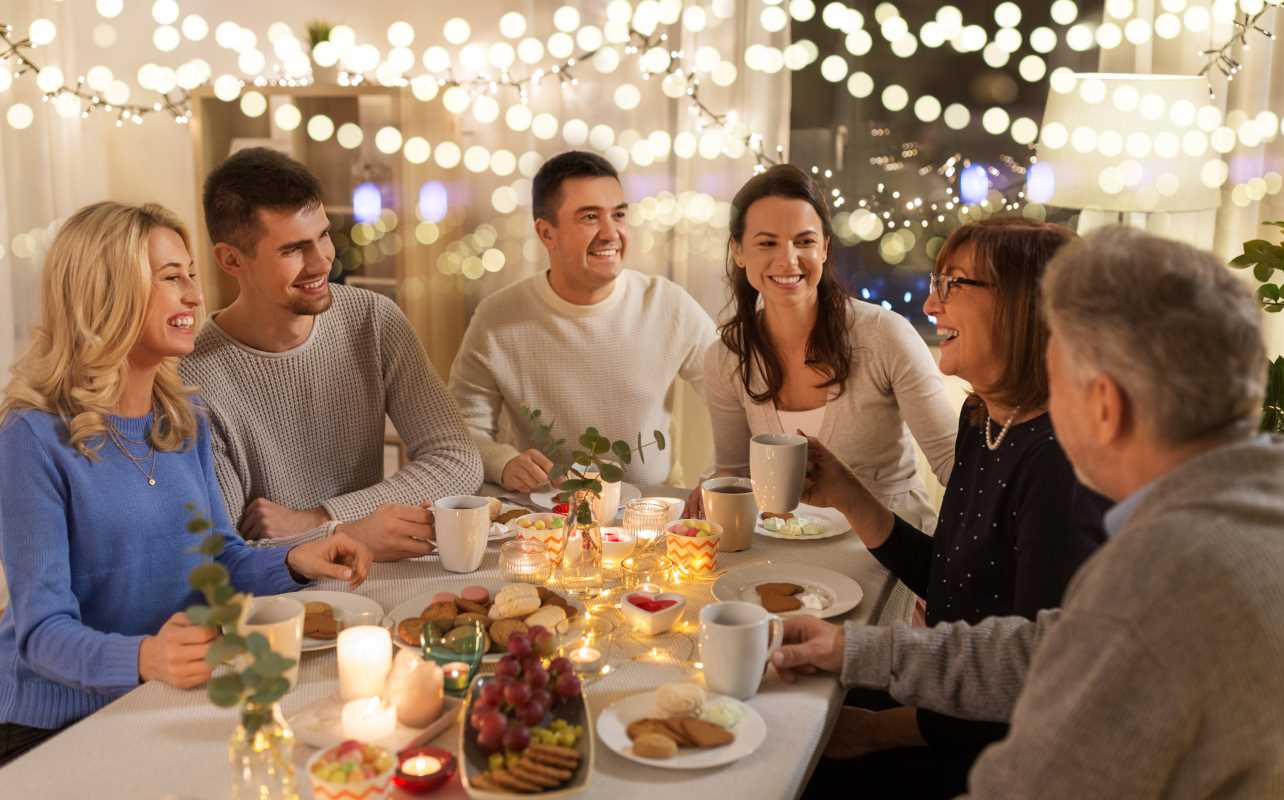
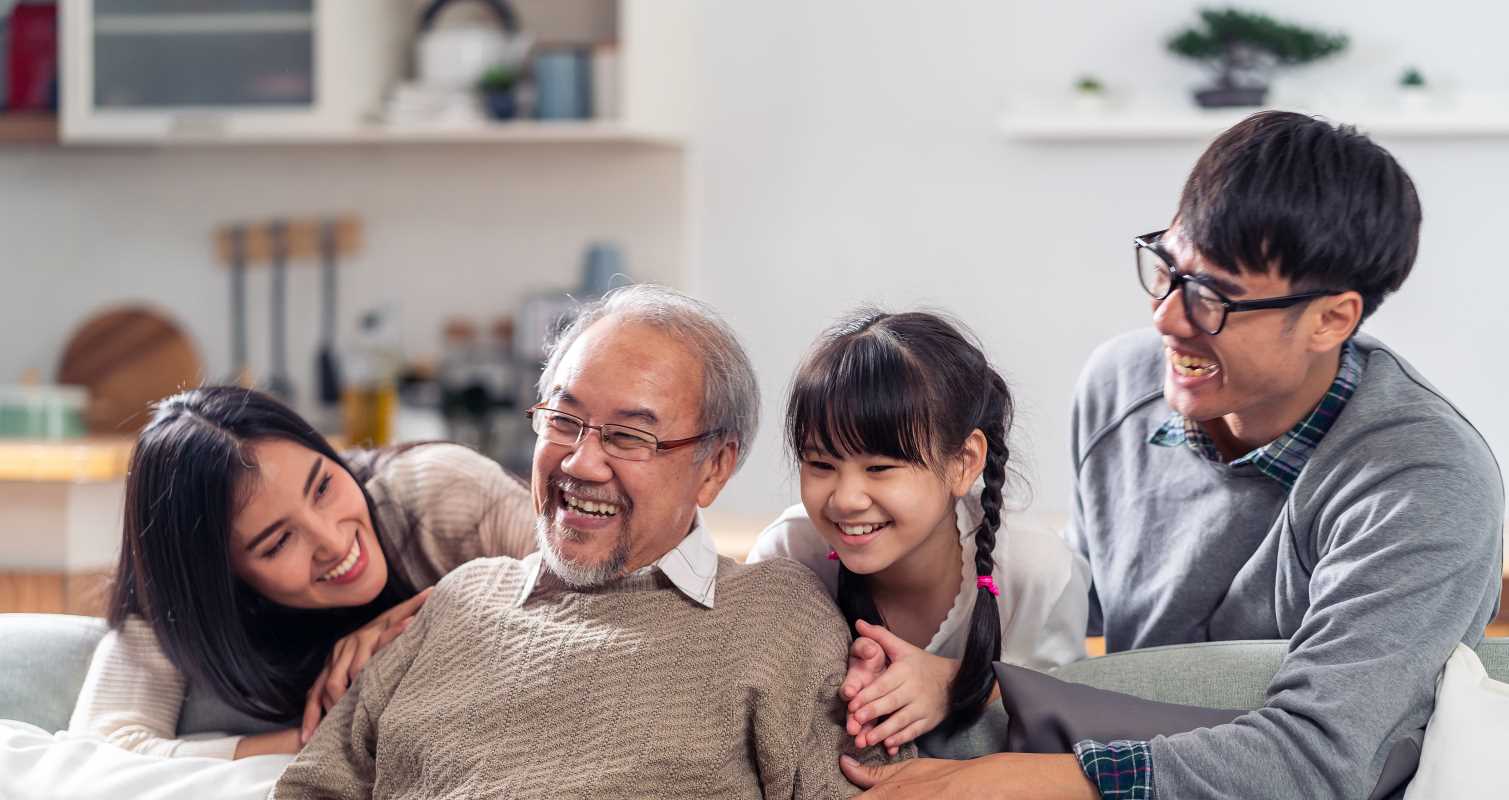
Families who share their homes across generations discover a rich blend of stories, recipes, and customs every day. When relatives thoughtfully combine their unique backgrounds, they build a sense of unity that honors each individual’s heritage. Blending traditions can mean celebrating birthdays with dishes from different regions or greeting each other in several languages at the breakfast table. These small acts of creativity add color and warmth to daily routines. By working together and approaching household life with enthusiasm, everyone helps create a home that celebrates the past while making room for new memories to grow.
Understanding Family Heritage
Explore your family history by collecting firsthand accounts of rituals, celebrations, and special dishes. Encourage conversations that reveal why certain customs matter, uncovering traditions that children might otherwise miss. Use this discovery as a foundation for blending practices thoughtfully.
- What festivals or ceremonies did elders grow up celebrating?
- Which family recipes carry a story or symbolic ingredient?
- Are there proverbs, lullabies, or sayings passed down through generations?
- Which colors, patterns, or materials appear in traditional garments or crafts?
Create Shared Celebration Calendars
Coordinate diverse holidays on a central family board or digital calendar. Seeing birthdays, religious observances, and cultural festivals side by side encourages creative combinations that feel personal and inclusive.
- List each family member’s special dates, from local festivals to anniversaries.
- Identify overlaps or near-miss dates to combine elements in one gathering.
- Assign roles: one person leads the menu, another designs the setting, a third picks music.
- Rotate the spotlight: each celebration highlights a different culture’s art, garments, or games.
Cooking Together Across Generations
Food connects hearts and provides a hands-on way to teach heritage. Invite each person to showcase a signature recipe, then experiment by swapping a spice or technique from another tradition. These experiments often produce unexpectedly delicious hybrids.
- Gather family recipes in a shared journal or digital folder for easy access.
- Pair a classic stew with a contrasting side dish—like pairing a Mediterranean daube with a Latin American rice salad.
- Plan “kitchen dates” where grandparents mentor children on kneading dough, while teens film the process for future viewing.
Decor and Symbolic Artifacts
Display items that represent each branch of the family tree on walls, shelves, and tables. Rotating artifacts keeps decor fresh and invites storytelling whenever someone notices a new piece.
- Designate a shelf or mantel as the “Heritage Corner” and feature one culture’s pottery, textiles, or framed photos each month.
- Create shadow boxes that hold keepsakes—like a ceremonial scarf, a hand-carved doll, or a medal from a relative’s achievement.
- Label each item with a small card sharing its origin and significance, so everyone learns at a glance.
Language and Storytelling Traditions
Encourage household members to share tales in their native tongues or dialects, adding subtitles on a chalkboard or projector to keep everyone in the loop. This practice builds linguistic curiosity and pride as young ones pick up phrases naturally.
Capture these moments by maintaining an online family archive or scrapbook where stories stay forever.
Music and Dance Fusion Evenings
Set aside one evening each month for a Family Fusion Jam. Rotate leaders who select tracks—perhaps an Afrobeat playlist one month, a Gaelic fiddle session the next. Encourage everyone to learn some dance steps or rhythms beforehand.
Mix instruments and voices to create original songs: a jazz piano riff combined with a folk drum pattern or a pop melody sung alongside a classical violin. As new rhythms develop, it creates a lively atmosphere that bridges age gaps and sparks laughter.
Crafting Family Heirloom Projects
Start a long-term craft project that combines motifs from various traditions into a single masterpiece. A patchwork quilt can feature fabrics from different ancestral garments, while a wooden chest might display carvings inspired by multiple art styles.
Work together on weekends: children can paint patterns, teens learn basic stitching, grandparents guide with fine details. When finished, this collective creation becomes a treasured object, symbolizing unity through artistry.
Multigenerational households create shared experiences by blending heritage, cuisine, art, language, and celebration. These nine approaches encourage curiosity, respect, and teamwork across ages and backgrounds.