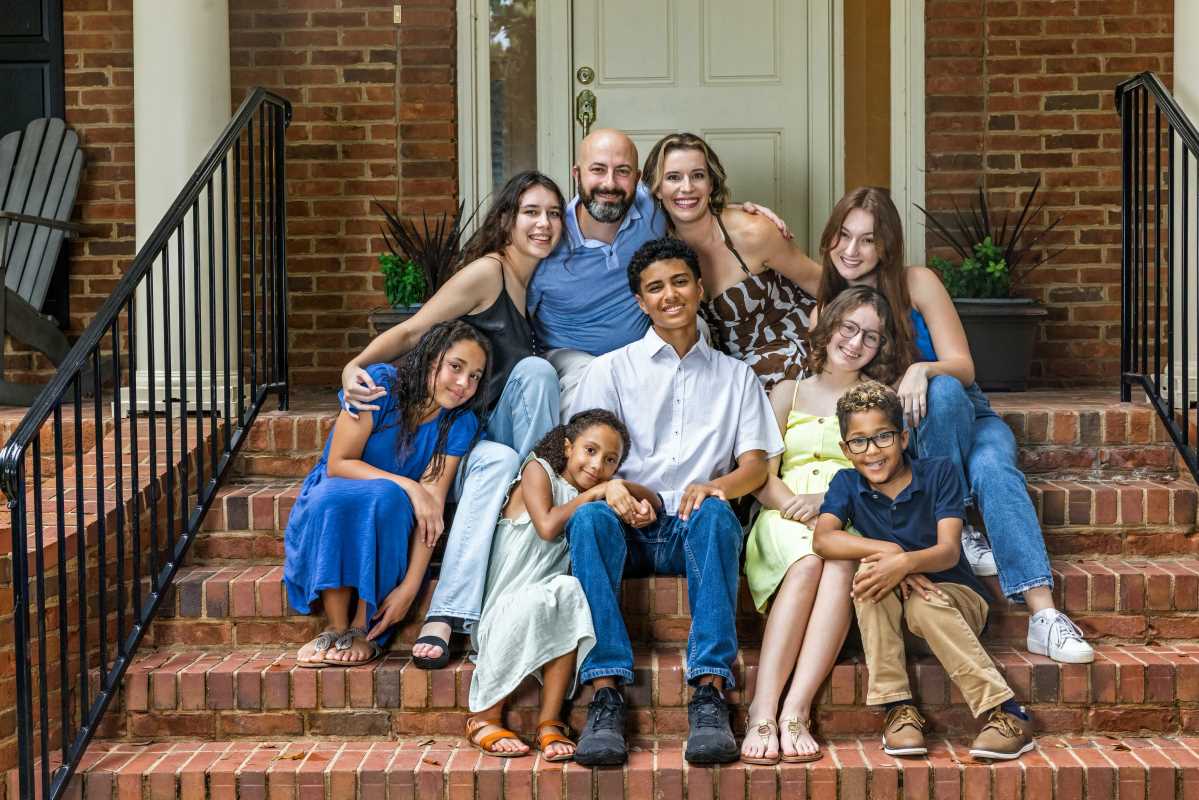
Families coming together from different backgrounds create new traditions and lasting memories. When two households join as one, organizing important celebrations such as graduations, anniversaries, or milestone birthdays calls for careful planning and open communication. Keeping an open mind and showing empathy helps each family member feel included and appreciated during these special occasions. By approaching these events with patience and a spirit of togetherness, everyone can enjoy a sense of belonging. The ideas below offer useful tips for making these moments positive and memorable, ensuring that every celebration brings the family closer and strengthens their shared connections.
Understanding Family Dynamics in Blended Families
Before jumping into celebration plans, consider the relationships at play. Each person carries memories from previous homes, so honor those feelings as you build shared experiences. Being aware of sensitivities around cherished traditions allows smoother collaboration and less stress when mapping out the big day.
- Past routines: Recognize how former households organized events.
- Current schedules: Identify overlapping availability and commitments.
- Emotional connections: Value each member’s attachment to certain rituals.
- Resource sharing: Combine budgets and time to ease planning load.
Preparing for Major Milestones
Plan ahead by outlining important dates and responsibilities early on. Gathering everyone’s input helps craft festivities that respect each person’s comfort zone. Use this simple checklist to keep tasks on schedule:
- Calendar alignment: Share a digital schedule to find weekends everyone is free.
- Budget review: List costs, propose adjustments to fit financial realities.
- Venue choices: Explore options like home, park, or community center for easy access.
- Role assignments: Assign who handles invitations, decorations, and food.
- Backup plans: Prepare alternatives for weather or last-minute changes.
Following a timeline reduces last-minute stress and ensures everyone’s input influences the milestone. When everyone completes their tasks, the day proceeds smoothly with energy and teamwork instead of confusion.
Communication Strategies
Open and empathetic conversations promote positive teamwork. Schedule regular meetings or video calls where each person can share hopes and concerns. Encourage honest questions and listen carefully to identify areas that may need adjustment or reassurance.
Try these approaches to foster trusting conversations:
- Active listening: Repeat what you hear to confirm understanding.
- Positive framing: Present suggestions as opportunities rather than demands.
- Check-in prompts: Ask, “How are you feeling about the plan?” to invite honest feedback.
- Feedback loops: Recap details before making changes to confirm understanding.
These methods keep everyone aligned and promote a respectful tone, making milestone planning feel like a shared adventure rather than a chore.
Creating New Traditions as a Family
Mixing customs from different backgrounds can lead to new rituals that reflect the family’s changing story. Combine elements—such as a playlist with songs from each household or a new special dessert everyone helps make. Encourage everyone to contribute ideas, turning the process into part of the celebration itself.
To choose meaningful traditions, ask each person to share a favorite memory or activity. Then select a few to include in your annual or milestone gatherings. Over time, these new rituals become symbols of unity and joy that everyone looks forward to.
Building Trust Between Stepparents and Stepchildren
Trust between a stepparent and a stepchild often begins well before the celebration. Plan casual activities—like a bike ride or movie night—to build connections outside of major events. When milestone day arrives, working together smoothly becomes easier because genuine rapport has already formed.
During the event, look for small opportunities to show care. Offer to take a candid photo, invite a stepchild to make a toast, or ask for their advice on a detail. These thoughtful gestures demonstrate respect and foster a sense of belonging.
Addressing Common Challenges
Disagreements over traditions, busy schedules, or budget constraints can happen. Instead of letting conflicts slow down progress, approach each concern with a problem-solving attitude. Explore options together—such as changing dates, swapping venues, or adjusting spending—until everyone feels comfortable.
If emotions run high, pause planning to revisit expectations. Sometimes taking a short break helps clarify priorities and reminds everyone that celebrating a milestone matters more than winning an argument. Be flexible and willing to try different approaches until you find a solution everyone accepts.
Careful planning helps blended families celebrate milestones and build lasting memories. Each step offers a chance to strengthen bonds that endure over time.