 (Image via
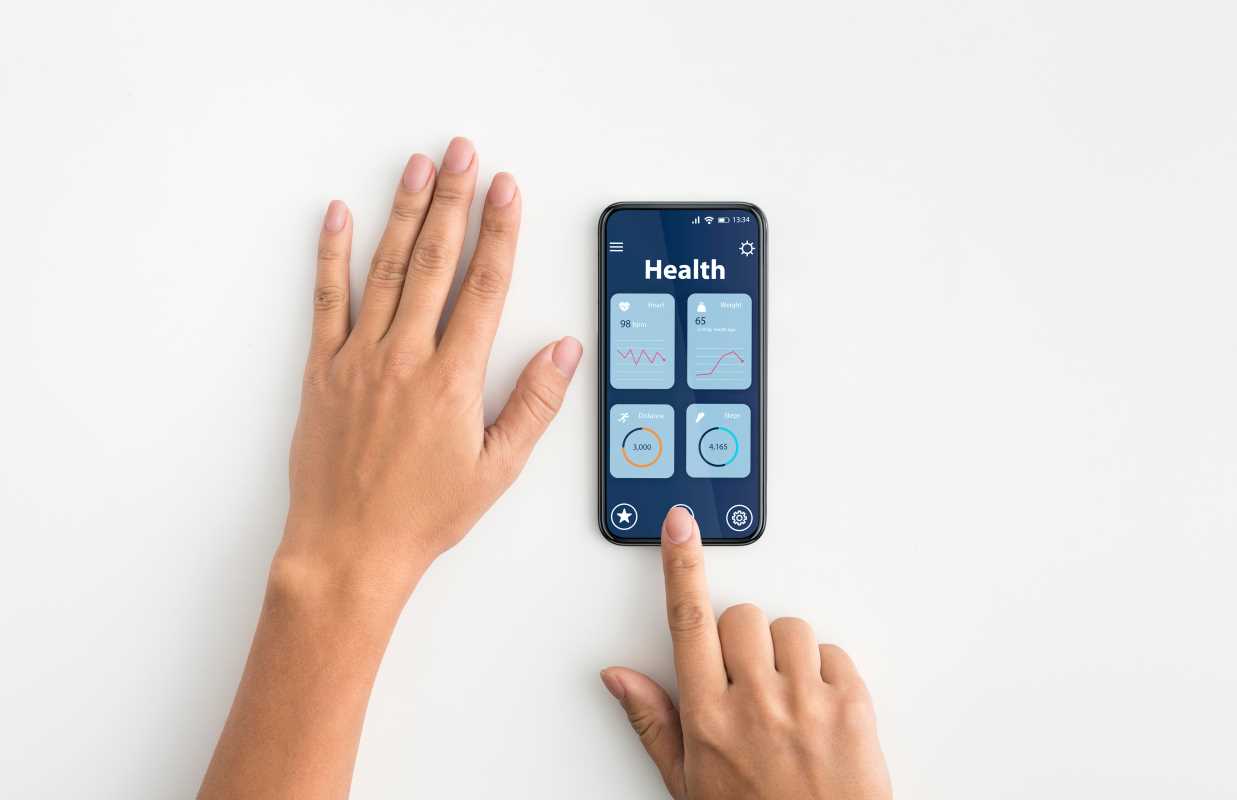
Imagine you’re feeling a sudden spike of anxiety before a big presentation. Instead of spiraling, your phone buzzes with a notification from a health app, guiding you through a two-minute breathing exercise. Or perhaps you’re a diabetic, and your app alerts you that based on your recent activity and glucose readings, it’s the perfect time for a snack to prevent a sugar crash. This isn't science fiction; it's the world of just-in-time adaptive interventions (JITAIs). Health apps are no longer just passive trackers. They are becoming intelligent companions that deliver the right support, at the exact moment you need it most, fundamentally changing how we manage our well-being.
What Are Just-in-Time Interventions?
Before diving into how apps use them, let's break down what a just-in-time intervention actually is. In simple terms, it's a strategy that provides support precisely when and where it is most needed. Instead of giving you a generic plan to "reduce stress," a JITAI system identifies when you are vulnerable or receptive to help and delivers a specific, actionable tip in that moment.
These systems are smart. They use data from your phone or wearable devices (like your location, your heart rate, your calendar, or even the time of day) to understand your context. The goal is to move from a one-size-fits-all approach to health to one that is deeply personalized and proactive. A JITAI doesn’t wait for you to fail; it steps in to help you succeed in real-time.
The Mental Health Companion in Your Pocket
Mental health is where just-in-time interventions are making some of the most profound impacts. Conditions like anxiety, depression, and addiction are not static; they have moments of high risk and moments of opportunity. Apps can now act as a first line of defense during these critical periods.
For example, an app designed to help with social anxiety might use your phone's GPS. If it detects that you've arrived at a crowded party (a potential trigger), it could send a push notification with a simple message: "New places can be tough. Remember your grounding technique: name five things you can see." This small prompt can be enough to interrupt a negative thought pattern before it takes hold.
Similarly, apps for addiction recovery can use location data to identify when a user is near a high-risk location, like a bar they used to frequent. The app could then trigger an intervention, such as a prompt to call their sponsor, play a motivational video, or engage in a distracting game. By providing support in the heat of the moment, these apps offer a lifeline that was previously unavailable outside of a therapy session.
Managing Chronic Conditions with Real-Time Data
For people living with chronic diseases like diabetes or hypertension, daily management is a constant balancing act. Just-in-time interventions are transforming this by turning data into actionable advice.
Consider a person with Type 1 diabetes who uses a continuous glucose monitor (CGM) linked to a smart app. The app isn't just showing them a graph of their blood sugar; it's actively analyzing trends. If it sees their glucose levels are dropping faster than expected after a workout, it can send an alert: "Your levels are trending low. It's a good time to have 15g of carbohydrates." This prevents a potentially dangerous hypoglycemic event.
Likewise, someone managing high blood pressure might use an app connected to a smart blood pressure cuff. If the app notices their readings have been consistently high in the evenings, it might send a notification around 6 PM: "Your pressure has been higher in the evenings. Let's try a 5-minute guided meditation before dinner to help you unwind." This proactive suggestion addresses the problem at its source, in the context of the user's daily routine.
Nudging You Toward Healthier Habits
Just-in-time interventions aren't just for managing medical conditions. They are also incredibly effective at helping people build and maintain healthy habits, like exercising more, eating better, or improving sleep.
Many of us have set a goal to drink more water, only to forget until we are already dehydrated. A smart water bottle or its companion app can solve this. Based on your activity level and the time of day, it might send a gentle nudge: "You haven't had a sip in a while. How about a few gulps now?" This timely reminder is far more effective than a generic alarm set for every hour.
Fitness apps also use this technique. If your calendar shows you have a 30-minute break between meetings, an app might suggest: "Got a free moment? Perfect for a quick 10-minute walk." By understanding your schedule, the app makes it easier to fit activity into your day. It removes the mental barrier of having to plan the workout yourself by offering a simple, achievable suggestion at the perfect time.
The Technology Making It All Possible
The magic behind these interventions is a combination of sensors and smart algorithms. Here’s a quick look at the tech involved:
- Sensors: Your smartphone and wearable devices (like a smartwatch) are packed with sensors. Accelerometers track movement, GPS tracks location, heart rate sensors monitor physiological stress, and even the microphone can be used (with permission) to analyze speech patterns for signs of depression.
- Data Input: Users often provide direct input, such as logging meals, mood, or sleep quality. This active data complements the passive data from sensors.
- Machine Learning: This is the "brain" of the operation. AI algorithms analyze all this data to learn your personal patterns. The system starts to understand what triggers your stress, when you are most likely to skip a workout, or what time of day your energy dips.
- Personalized Prompts: Based on this analysis, the system delivers the right intervention. The prompts are designed to be brief, empathetic, and easy to act upon.
How to Choose and Use These Apps Effectively
With thousands of health apps available, finding one that offers effective just-in-time support can be tricky. Here’s what to look for:
- Check for Personalization: A good app will ask you questions and adapt to your feedback. If it feels like it's sending generic, one-size-fits-all advice, it’s probably not a true JITAI system. Look for features that let you customize goals and notifications.
- Understand the Data Usage: These apps need access to your data to work. Read the privacy policy to understand what information is being collected and how it is being used. A reputable app will be transparent and give you control over your data.
- Look for Evidence-Based Design: The best health apps are developed with input from clinicians, psychologists, or researchers. Check the app’s website to see if they mention the science behind their methods.
- Start Small and Be Consistent: When you first start using a JITAI app, engage with it. Respond to the prompts and provide feedback. The more you interact with it, the smarter and more personalized its suggestions will become.
- View it as a Tool, Not a Cure: These apps are powerful support systems, but they are not a replacement for professional medical advice. Use them as a tool to complement the guidance you receive from your doctor or therapist.